
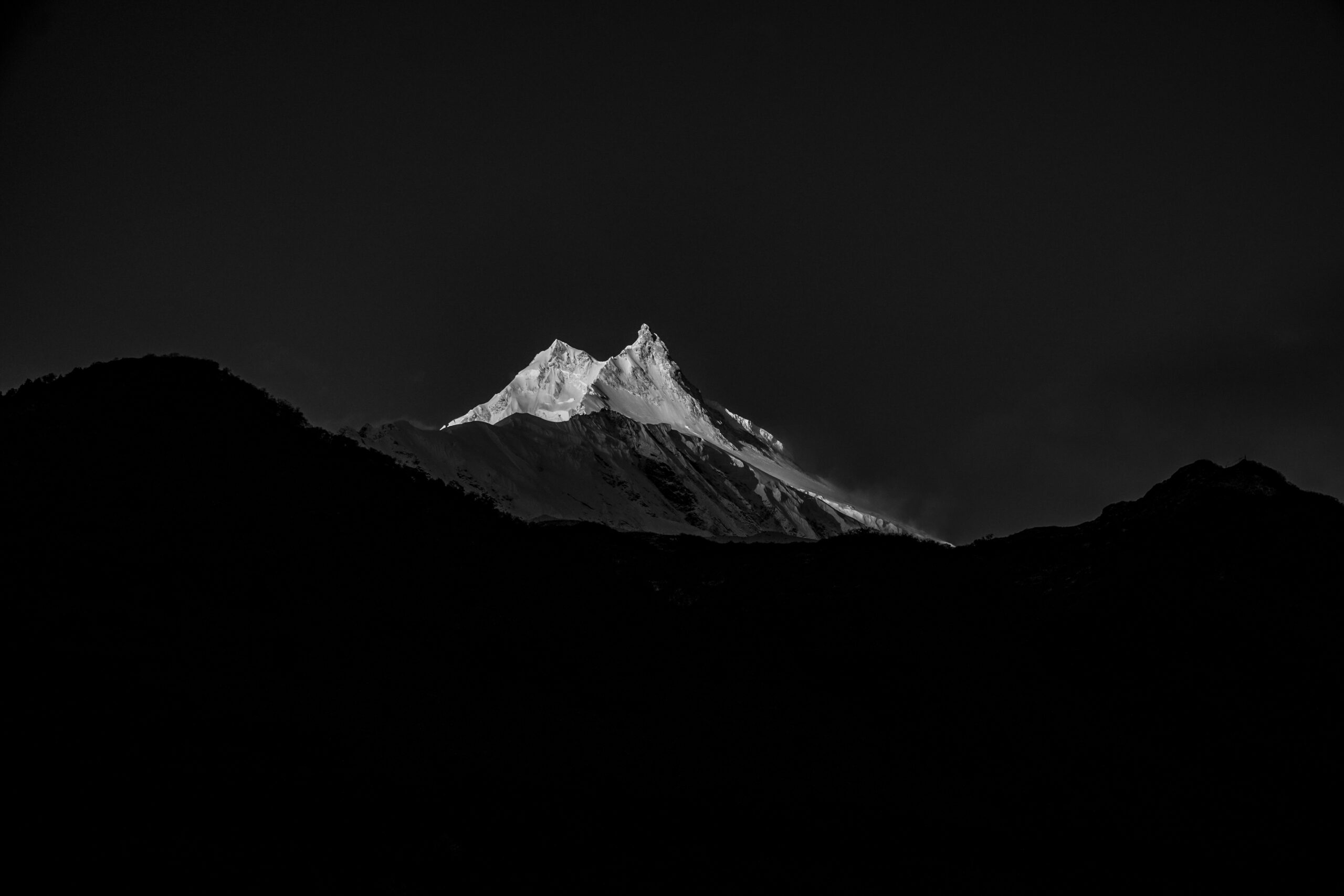
Magic of Manaslu
Valley to high Himalaya, following the Budhi Gandaki to the world’s eighth-highest mountain and over the Larkya La pass.
5,106 - 5,160 m
What Makes It Special
The Manaslu Circuit Trek is an all-in-one Himalayan adventure. It brings together almost everything people come to Nepal to experience in one journey. You begin in the lush lower valleys and gradually climb into the high Himalayas, following the Budhi Gandaki River through forests, villages and dramatic gorges. Along the way, you cross suspension bridges, walk through traditional Gurung and Tibetan-influenced villages, visit monasteries and experience a landscape that changes with every few days of walking.
And then comes the big one: Mount Manaslu (8,163 m), the world's eighth-highest mountain, towering above the upper valley. The journey culminates in crossing Larkya La Pass at around 5,100 m, before descending into a completely different landscape.
Valley to high Himalaya. Rivers to glaciers. Villages to an 8,000-metre peak. Bridges, monasteries and a high mountain pass. The Manaslu Circuit truly has it all.
Difficulty, Season & Who It's For
Challenging / Strenuous. The trek involves long days, significant elevation gain, steep and uneven sections and a high-altitude pass. Good preparation and a sensible pace are important.
March–May and September–November offer the best conditions for this trip.
Fit and active trekkers who are comfortable walking for
Day-by-Day Itinerary
Day 01Arrive in Kathmandu
Welcome to Nepal! Our team will meet you at the airport and transfer you to your hotel in Kathmandu. After settling in, we'll meet for a trek briefing and go through the route, equipment and preparations for the Manaslu Circuit Trek. This is also a good time to meet your guide and fellow trekkers before the adventure begins.
Day 02Kathmandu to Machha Khola
We leave Kathmandu early and begin the long drive toward the Manaslu region. The road takes us through the hills and rural landscapes of central Nepal before following the Budhi Gandaki River deeper into the mountains. As the road becomes rougher, the landscape becomes increasingly remote. By evening, we reach Machha Khola, our starting point for the trekking section.
Day 03Machha Khola to Jagat
Today we begin walking. The trail follows the Budhi Gandaki through narrow valleys and subtropical forest, with plenty of ups and downs along the river. We cross suspension bridges, pass waterfalls and walk through small settlements before reaching the natural hot springs at Tatopani. From here, the valley becomes narrower as we continue toward Jagat. Jagat is an attractive stone-paved village and an important checkpoint for the Manaslu Restricted Area.
Day 04Jagat to Deng
The trail continues deeper into the Manaslu region. We pass through forests, small villages and terraced hillsides while following the Budhi Gandaki upstream. Suspension bridges and dramatic cliffside sections make the day adventurous, while the surrounding landscape gradually changes as we gain altitude. We pass through Philim and continue toward Deng, where the valley begins to feel distinctly Himalayan.
Day 05Deng to Namrung
Today the landscape begins to change noticeably. The subtropical forests give way to pine, fir and rhododendron forests as we climb higher into the mountains. We cross more bridges and walk through villages decorated with mani walls, prayer flags and Buddhist architecture. As we approach Namrung, the first major Himalayan peaks begin to dominate the horizon. The transition from the lower Budhi Gandaki valley into the high Nubri region becomes unmistakable.
Day 06Namrung to Samagaon
This is one of the most spectacular days of the trek. We continue through the upper Nubri Valley, passing Tibetan-influenced villages and traditional stone houses. Lho is one of the highlights of the day, with its monastery and increasingly dramatic mountain scenery. As we approach Samagaon, the valley opens up and the massive peaks surrounding Manaslu become increasingly impressive. We arrive at Samagaon, one of the most important settlements on the circuit and our base for acclimatization.
Day 07Acclimatization Day in Samagaon
Today we slow down and allow our bodies to adapt to the increasing altitude. Rather than spending the whole day inside the teahouse, we take an acclimatization hike around the valley. Depending on conditions and the group, options include hiking toward Manaslu Base Camp or Birendra Lake. The aim is to gain some altitude during the day while returning to Samagaon to sleep. This is also an excellent opportunity to experience the village, its monasteries and the unique Tibetan-influenced culture of the upper Manaslu region.
Day 08Samagaon to Samdo
We leave Samagaon and continue higher into the mountains. The landscape becomes more open and alpine as we leave the forests behind. The trail follows the Budhi Gandaki toward Samdo, the last major permanent village before Larkya La. The relatively short walking day gives us time to acclimatize while enjoying the huge mountain landscape surrounding the valley.
Day 09Samdo to Larkya Phedi / Dharamsala
Today we make a short but important climb toward the base of Larkya La Pass. The landscape becomes increasingly barren, rocky and high-altitude. We pass through the final sections of the Manaslu Valley before reaching Dharamsala, also known as Larkya Phedi. We keep the day deliberately short and spend the afternoon resting and preparing for the biggest day of the trek.
Day 10Cross Larkya La Pass to Bimthang
The biggest day of the Manaslu Circuit Trek begins early. We climb gradually toward Larkya La, surrounded by high mountains, frozen lakes and rugged Himalayan terrain. After reaching the top of Larkya La Pass, we take time to appreciate the achievement and the spectacular panorama before beginning the long descent toward Bimthang. The landscape changes dramatically as we descend, eventually bringing us back into alpine forests and greener terrain.
Day 11Bimthang to Dharapani
After the demanding pass day, today is predominantly a descent. We leave the high alpine environment behind and walk through forests of pine and rhododendron toward Tilije and the lower Marsyangdi Valley. By the time we reach Dharapani, the landscape and climate feel completely different from the high Manaslu region we crossed only a few days earlier.
Day 12Dharapani to Kathmandu
After breakfast, we leave the mountains by road. The drive follows the Marsyangdi Valley toward Besisahar before continuing through the hills and eventually back to Kathmandu. After almost two weeks in the mountains, we return to the city with a completely different perspective on Nepal.
Day 13Kathmandu / Free Day
A relaxed day in Kathmandu to recover from the trek, explore the city, shop for souvenirs or simply enjoy some well-earned downtime. This day also gives us some flexibility in case road conditions or unexpected delays affect the return journey.
Day 14Departure
Your Magic of Manaslu adventure comes to an end. Our team will transfer you to the airport according to your flight schedule. Until the next adventure!
What's Included & What's Not
Our package covers everything required for this trip, excluding accommodation and personal expenses in Kathmandu unless otherwise noted.
Included
- All required Manaslu trekking permits and national park/conservation area fees
- Experienced, licensed trekking guide
- Porter service
- Guide and porter food, accommodation and required expenses
- Transportation to and from the trekking route
- Teahouse accommodation throughout the trek
- Full-board meals during the trek — breakfast, lunch and dinner
- Tea/coffee with meals where available
- Trekking logistics and necessary local arrangements
- Airport transfer on arrival and departure
- Trek briefing and trip coordination
- Good vibes, mountain stories and Adventure Monastery energy 😄
Not Included
- Accommodation in Kathmandu or Pokhara
- Meals and personal expenses in Kathmandu or Pokhara
- International or domestic flight tickets
- Travel and rescue insurance
- Personal medical expenses and medication
- Tips for guides, porters and other staff
- Bottled water, soft drinks, alcohol or other purchased beverages
- Snacks and personal treats
- Personal trekking equipment and clothing
- Hot showers, Wi-Fi, charging and other optional teahouse services
- Anything not specifically mentioned in the itinerary or included section
What to Carry
Pack light and practical Adventure Monastery provides the technical/expedition equipment; you bring your personal clothing and essentials.
Clothing & Layers
- 2–3 lightweight moisture-wicking T-shirts
- 1–2 long-sleeve trekking shirts
- 1 lightweight fleece / mid-layer
- 1 good down jacket essential for high altitude and cold evenings
- Lightweight waterproof/windproof jacket
- 1 pair of thermal top and bottom
- 2 pairs of proper hiking/trekking pants
- 1 lightweight warm/down pants for high altitude — optional but recommended
- 3–4 pairs of trekking socks
- 1 pair of warm wool/synthetic socks for higher elevations
- Winter/warm cap
- Sun cap / hat
- Lightweight gloves
- Warm gloves or insulated gloves for Larkya La
Footwear
- Ankle-support trekking boots broken in before the trek
- Lightweight sandals/slippers for teahouses
- Microspikes / traction spikes important for icy or snowy sections around Larkya La
Sun & Weather Protection
- Good-quality sunglasses with strong UV protection
- Sunscreen SPF 30–50+
- Lip balm with SPF
- Buff / neck gaiter
- Lightweight rain cover or waterproof jacket
- Backpack rain cover
Bags & Carrying
- 40–50 L trekking backpack
- Small daypack, if preferred
- Waterproof dry bags / packing cubes
- Lightweight duffel bag for porter luggage
- Water bottle or hydration bladder 2–3 L total capacity
Sleeping & Personal Comfort
- Sleeping bag rated for cold/high-altitude conditions
- Small travel pillow or inflatable pillow — optional
- Headlamp + spare batteries
- Quick-dry towel
- Earplugs — optional
Personal & Hygiene
- Toothbrush & toothpaste
- Biodegradable soap / hand sanitizer
- Wet wipes / tissues
- Small personal toiletries
- Personal medication
- Basic blister care
- Small first-aid kit
Electronics & Documents
- Phone
- Power bank
- Charging cables
- Universal/adaptor plug if needed
- Camera + spare batteries, if carrying one
- Headphones — optional
- Passport
- Travel insurance details
- Copies/photos of important documents
Useful Extras
- Trekking poles — highly recommended, especially for the long descent from Larkya La
- Lightweight gaiters — useful if there is snow
- Snacks / energy bars
- Water purification tablets or a small filter
- Small backpacking knife/multitool — optional
- Zip-lock bags / small rubbish bags
- Trekking towel / bandana Keep It Light You don't need to carry your entire wardrobe. The key is layering: lightweight base layers, a fleece, a good down jacket and a waterproof outer layer give you flexibility from the warm river valleys to the colder high-altitude mornings at Kyanjin Gompa and Tserko Ri. For the higher viewpoints, the most important items are thermals, down jacket, warm gloves, winter cap, sunglasses, proper ankle-support trekking boots and trekking poles.
Full packing checklist available on request this is the condensed version for quick reference.
Group Pricing
Priced according to group size, so larger groups share the fixed costs of guides, porters and transportation. All tiers include the full-board package described above.
Other Treks You Might Like
Ready for
Manaslu?
Give us your rough dates and group size, and we'll come back with a plan and pricing for Manaslu Circuit.
Prefer email? Reach us at hello@adventuremonastery.com